


Europe Strengthens Water Management Systems
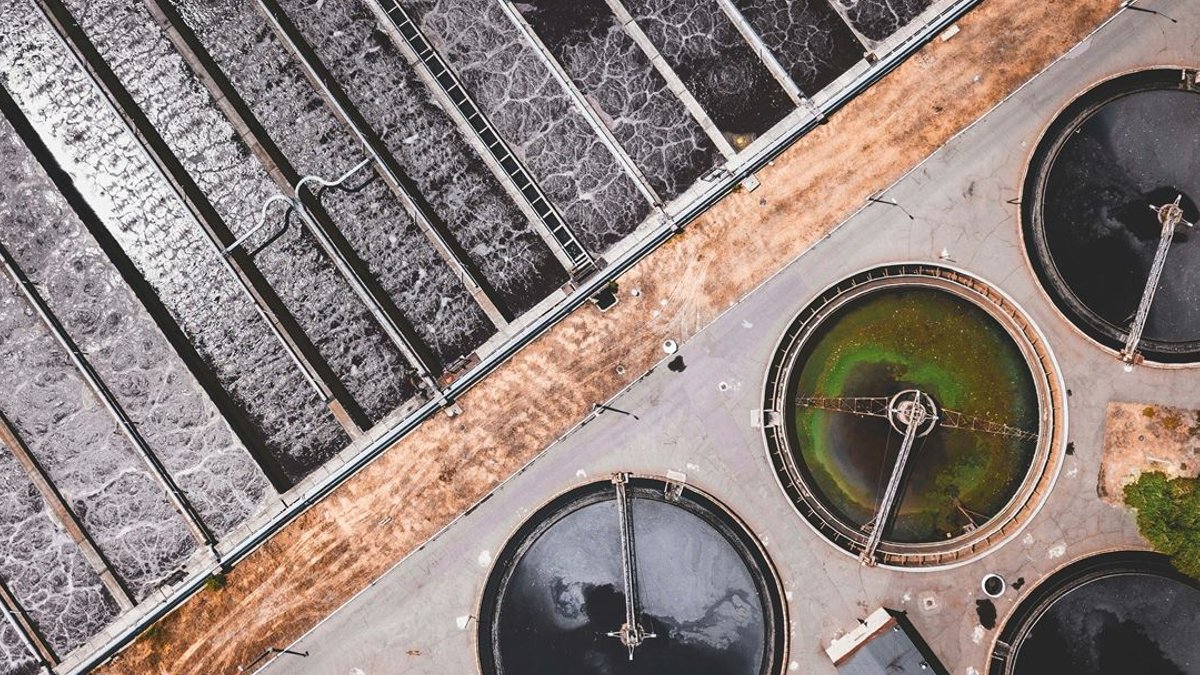
Water management is gaining recognition in the European strategic agenda, as seen in the recent publication of the European Water Resilience Strategy. This momentum is positive, and it must now be translated into concrete action. Robust technological solutions already exist to protect water resources, save water, reuse water, and create alternative water resources.
Their deployment must now accelerate. To achieve this, the EU must drive a shift towards a financial model that rewards performance in terms of quality, efficiency, and resource preservation.
While the investment gap is estimated at €23 billion per year across the EU, the current economic model, which is largely dependent on consumption volumes, is no longer fit to meet the challenges of the years ahead.
In the field of waste management, clear policy decisions have been taken in recent years. These decisions are already yielding tangible results across Europe, notably a significant reduction in the volumes of waste landfilled over the past decades: from 61% in 1995 to 22% in 2023, under strong regulation such as the EU Landfill Directive.
Waste treatment can provide electricity and heat, strengthening energy autonomy while ensuring more predictable and competitive prices for municipalities and industry, especially in the context of geopolitical tensions and volatile energy markets.
In France, energy-from-waste contribution to energy sovereignty is substantial. By 2030, up to 36 TWh of thermal energy and biogas could be produced from non-recyclable waste, equivalent to 8% of the French gas consumption.
Related: SpaceX asteroid threatens telco and cable giants
As discussions on the inclusion of energy-from-waste into the European carbon market are set to take place in the coming weeks, it is essential to fully take into account the potential of these activities to strengthen the continent’s energy security.
Waste treatment can also play a key role by providing secondary raw materials through recycling. Demand for critical raw materials such as copper could rise by up to 40% by 2040. In a time of global scarcity, recycling is essential for both competitiveness and strategic autonomy.
Action is required on two fronts: bridging the cost gaps between virgin and recycled materials by recognising the positive effects of recycling, whilst introducing a European preference requirement on the incorporation of recycled materials.
The upcoming Circular Economy Act can stimulate the use of European recycled materials that directly contribute to decarbonisation, while circularity – which is built on a strong local industrial base – should be recognised as a strategic sector.
Forthcoming regulatory developments will help advance an integrated approach to water and waste management, and unlock their full potential to strengthen Europe’s resilience.
Municipal waste statistics show a significant reduction in waste landfilled over the past decades, according to Eurostat data.

EA Takes Steps to Calm Bondholders


