


European Utilities Face Huge Spending Bill
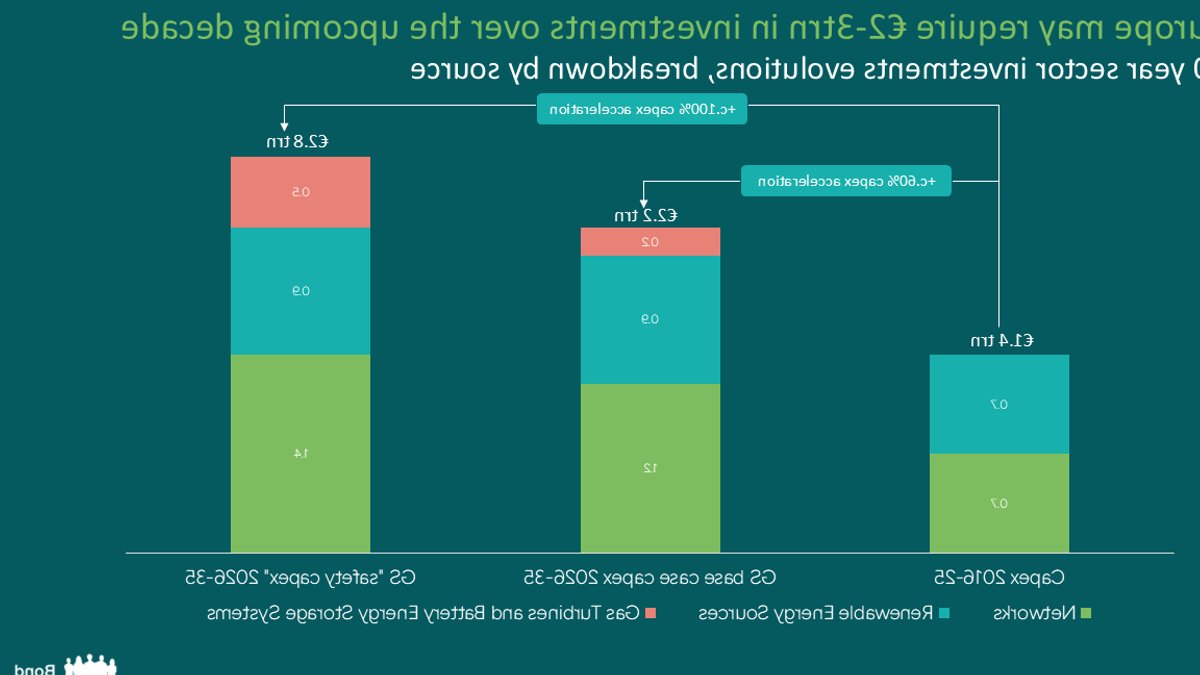
Europe’s utilities sector is on the brink of a generational shift, driven by the need to modernize, rebuild, and expand after more than a decade of subdued demand. The system is being forced to adapt to electrification, data centers, renewable integration, and aging infrastructure, resulting in unprecedented capital expenditure programs across the sector.
The shift is expected to require €2–3 trillion of capex between 2026 and 2035, up to double the previous decade’s spend. The European power system is expected to require significant investment in power grids, backup gas capacity, and battery storage.
The scale of investment required is extraordinary, and the vast majority of investment need will be funded by debt issuance. The numbers are large, with around €580bn of sector capex between 2026–30, and roughly 85% allocated to regulated or contracted activities.
It provides bondholders with security, as capex visibility is high and earnings should be supported by regulated returns and contracted revenues.
For credit investors, the issue is not just visibility of returns, but the timing mismatch between spending, cash flow generation, and regulatory recovery.
Execution risk is emerging as a primary credit variable in this capex cycle, as the complexity of what needs to be delivered is unprecedented. Europe must simultaneously retire old assets, build out renewables at scale, expand and modernize grids, and integrate new demand sources such as data centers.
Each of these is challenging in isolation, and delivering them simultaneously introduces coordination risk across supply chains, permitting, and system planning.
From a credit perspective, this matters because execution slippage directly translates into cost overruns, project delays, and regulatory lag.
Credit investors could face some bumps along the way, as the timing mismatch between spending, cash flow generation, and regulatory recovery raises concerns about the amount of debt required to fund the capex.
Related: Australia’s housing boom faces fresh pressure
In comparison to previous cycles, the current situation is distinct due to the sheer intensity of the capital increase and the societal and political impact of increased pressure on the affordability of bills.
Historically, utilities have been able to fund investment cycles with a mix of operating cash flow, disposals, and incremental debt while maintaining broadly stable credit metrics.
Rating agencies have remained largely comfortable with declining FFO to net debt and rising debt burdens, but there are some marked differences in this cycle.
The mismatch between upfront capex and delayed cash flow realization is worthy of note, as spending is upfront, whilst returns are earned over the long term, leaving balance sheets under pressure in the interim.
According to Goldman Sachs, a significant amount is needed in power grids alone, with significant incremental spend required for backup gas capacity and battery storage.
The numbers are large, and the issue is not just the amount of debt required, but also the timing and regulatory recovery.
Credit investors will need to carefully consider the execution risk and credit drivers, and whether they are being paid to take this risk.
The complexity of the task at hand and the coordination risk across supply chains, permitting, and system planning will require close monitoring, especially as the sector faces pressure from telecom and cable giants.

Australia’s housing boom faces fresh pressure


