


Climate-Resilient Seeds Boost Bangladesh’s Rice Output on Shrinking Land
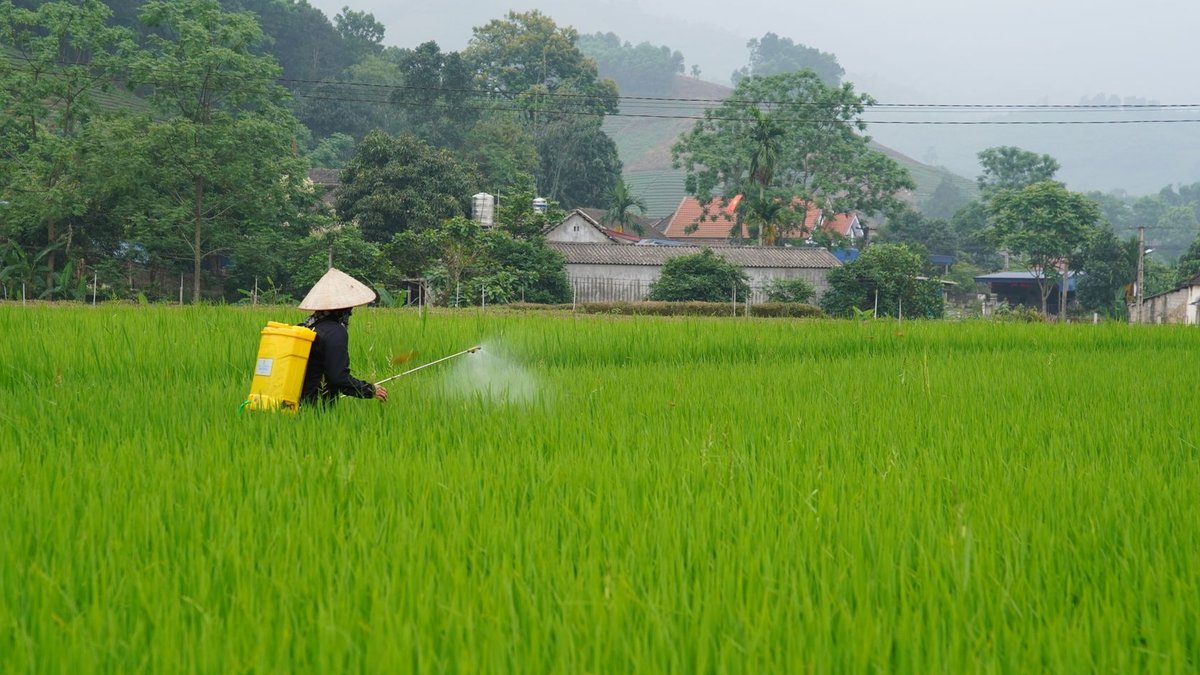
New Bangladesh Bureau of Statistics (BBS) figures show the country boosting rice output on reduced cultivated land, as climate-resilient seed types enable farmers to withstand floods, salinity and drought.
Rising Production Amid Shrinking Fields
Rice output increased by approximately 8% between FY21 and FY25, even as the total cultivated area for Aus, Aman and Boro rice declined by about 2%. Production grew from 37.608 million tonnes on 28,912 acres in FY21 to 40.630 million tonnes on 28,317 acres in FY25. Average yield per acre rose from 1,301kg to 1,435kg during the same period.
The improvements reflect a strategic shift toward developing and distributing rice varieties tailored to regional climate risks, according to agriculture officials. Different varieties are being promoted in areas facing specific challenges like salinity, flooding and drought.
Coastal Adaptations in Satkhira
In coastal Satkhira district, where soil salinity has historically prevented rice cultivation, farmers are beginning to grow rice using climate-resilient varieties. Gabura, a coastal island union battered by climate change, has seen rice cultivation take root in some areas.
Abdur Wahab, a farmer in Sora village under Gabura union, cultivated BR-49 seeds on 3 bighas of land. He explained that rice could not previously be grown in the area due to salinity. “This year, I have cultivated rice on a trial basis. Other farmers have also taken up rice cultivation. We planted BR-49 seeds, and the seedlings are still in good condition. We are hopeful of a good yield and expect to harvest the crop in another 15-20 days,” he said.
Read Also: Bangladesh Seeks $3.77B World Bank Funding for LNG, Food Security
Flood and Drought Solutions
For flood-prone areas, the Department of Agricultural Extension (DAE) recommends BRRI dhan-51 and BRRI dhan-52, which can withstand submergence for seven to 14 days during the Aman season. Short-duration varieties like BRRI dhan-118 are also being promoted in flood-prone regions.
In haor areas where early flash floods threaten crops, short-duration varieties are supplied to help farmers harvest before floodwaters arrive. For drought-prone regions, the DAE distributes Binadhan-7, BRRI dhan-56 and BRRI dhan-57.
Seed Production Shifts
Seed production data from the Bangladesh Agricultural Development Corporation (BADC) shows significant changes. Aus rice seed production rose nearly 53% from 4,576.77 tonnes in FY21 to 6,999.91 tonnes in FY25. Aman seed production increased from 23,343.21 tonnes to 24,789.21 tonnes over the same period.
However, Boro inbred and hybrid seed production fell from 65,443.86 tonnes to 52,720 tonnes, though 59,547.21 tonnes of Boro seeds were distributed in FY25.
Expert Perspectives on Food Security
According to DAE, the plan is to give each region the seed it needs, so rice keeps growing even where the land is smaller and the conditions harder.

Bangladesh Seeks $3.77B World Bank Funding for LNG, Food Security


