


US and China seek balanced AI cooperation amid rivalry
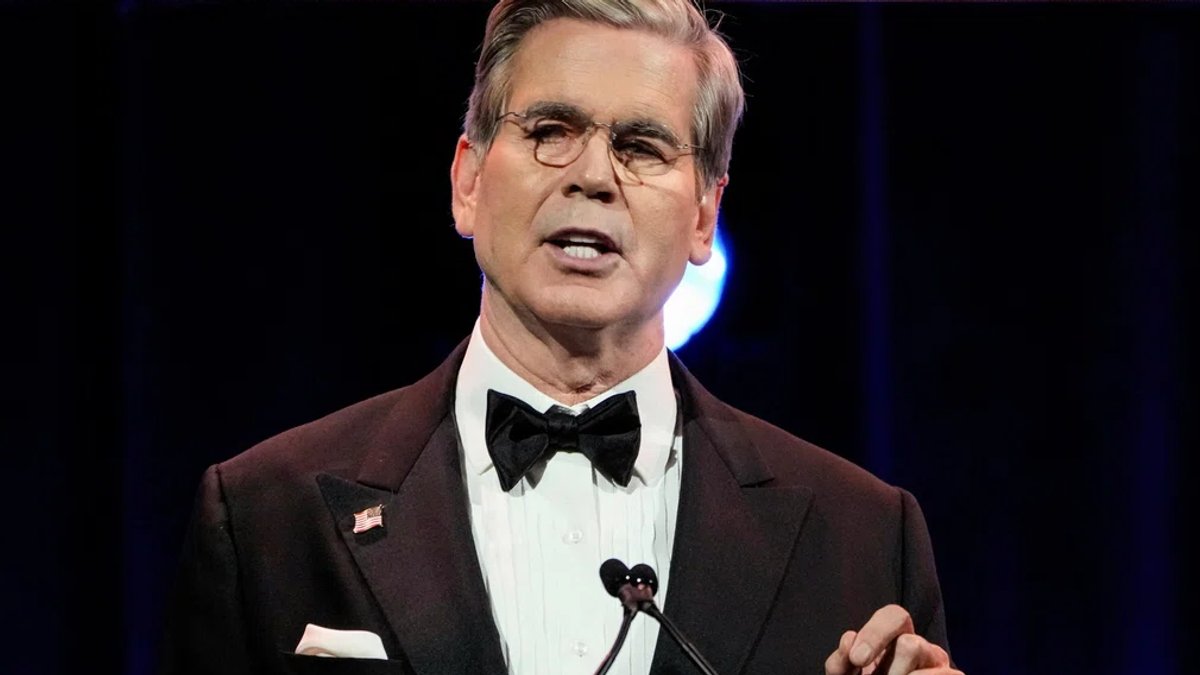
US Treasury Secretary Scott Bessent has warned that cooperation on artificial intelligence between the United States and China must not obscure their deeper strategic differences. Speaking at the National Committee on US-China Relations in New York on Tuesday, Bessent emphasized that the two nations must balance collaboration on AI risks with their ongoing competition for technological leadership.
The remarks came ahead of Bessent’s upcoming trip to China, where he will attend the third Trump-Xi summit this year. The meeting, scheduled for November 18-19 on the sidelines of the Asia-Pacific Economic Cooperation (Apec) leaders summit in Shenzhen, will focus on a new bilateral dialogue about “superintelligence” (SI)—a term the Trump administration prefers for advanced AI systems.
The dialogue aims to address shared risks and prevent misunderstandings between the two systems. Bessent noted that the US and China have agreed to exchange best practices for evaluating advanced AI models before their release, ensuring human oversight remains central. They will also establish a direct alert system for serious incidents, a measure first discussed during Trump and Xi’s September meeting in Washington.
At that meeting, Trump expressed reluctance to impose new guardrails on AI, citing concerns about preserving US leadership. Bessent’s comments suggest a more cautious approach, framing the need for risk management as a shared responsibility. “As SI advances, so will the need to engage in new areas of risk management,” he said, adding that the two nations must reconcile competition with leadership obligations.
Despite the tensions, Bessent highlighted areas where US-China cooperation could endure. He cited trade initiatives from previous summits, including the creation of a “Board of Trade” to reduce tariffs on $30 billion worth of non-sensitive goods and China’s commitment to purchase additional US farm products. A separate “Board of Investment” will address market access and predictability for businesses in both countries.
The US trade deficit with China remains a point of friction, but Bessent stressed that Washington seeks to “de-risk” rather than fully decouple from trade. His remarks echoed historical trade ties, noting that the US-China commercial relationship dates back to 1784 when American ginseng was traded for Chinese tea, porcelain, and silk.


