


SpaceX asteroid threatens telco and cable giants
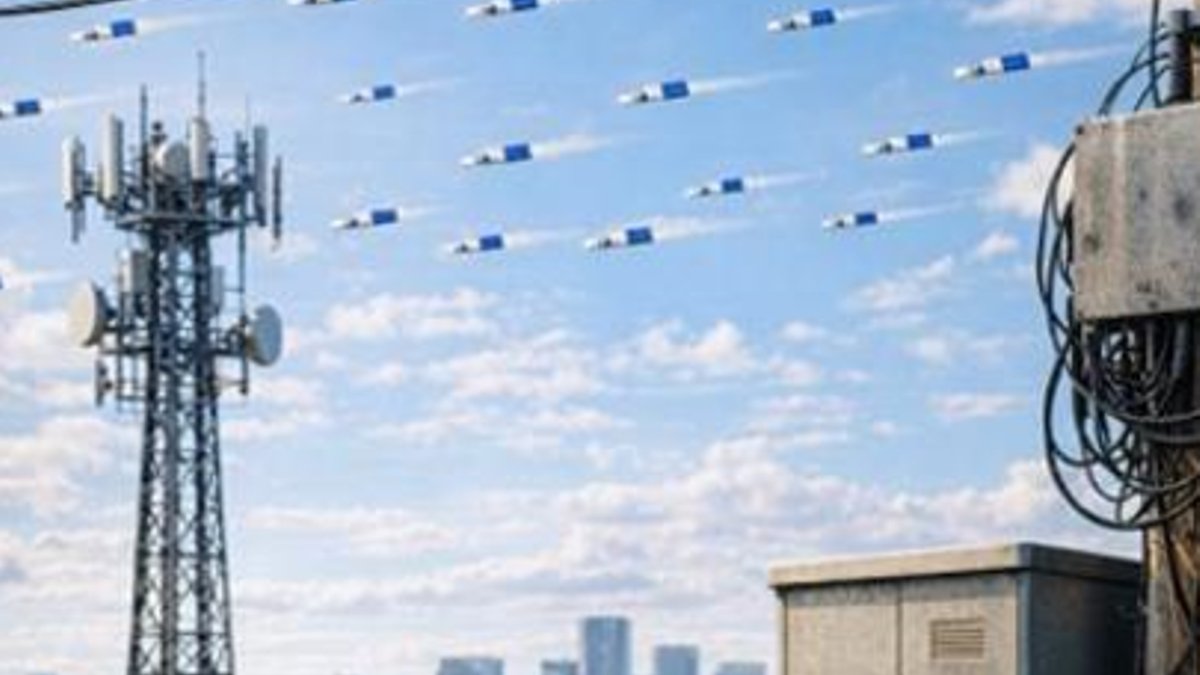
SpaceX’s public debut generated $75 billion in proceeds, pushing its enterprise value past $2 trillion and opening a potential market worth nearly $29 trillion. The valuation rests on a space-based data center strategy, but the immediate pressure may land on terrestrial telecommunications providers. SpaceX’s core business, Starlink, operates a constellation of 9,600 low earth orbit satellites. These satellites provide broadband and mobile data services to remote areas where traditional networks fail. The connectivity unit generated $3 billion in free cash flow in 2025 from millions of subscribers and corporate contracts.
By comparison, the five largest US telecom and cable companies generated $111 billion in free cash flow, holding millions more subscribers. On paper, the incumbents appear to dominate. However, the strategy under Chief Executive Elon Musk looks to expand aggressively. He plans to launch 10,000 next-generation V3 satellites from late 2026. These new satellites will feature 1 terabit of capacity, which is ten times the capacity of current V2 models. This upgrade aims to raise median download speeds to fiber levels while lowering costs. The current average price is $66 per month. While dense urban areas and multi-dwelling units present installation challenges, these are smaller portions of the market.
Related: AI drives high-yield investment shift
The threat to established cable operators is becoming clear. Comcast and Charter shares have fallen significantly, with Charter dropping approximately 70% over the last year. Incumbents are responding by bundling services or cutting standalone broadband prices. The risk is a decline in broadband subscribers or revenue per subscriber. The US market no longer benefits from the immigration and housing build tailwinds that historically supported industry growth.
Going Mobile
SpaceX is not limited to satellite broadband. Musk has signaled a move into the mobile sector. The telecom industry claims Starlink’s “direct to device” service is merely supplementary. Yet the major players—Verizon, AT&T, and T-Mobile—have moved to block it. They refused to offer Starlink a virtual network agreement and formed a joint venture to present a united front.
Related: Bitcoin adviser Keiser guides El Salvador bonds
Starlink already holds 65 MHz of terrestrial spectrum from Echostar, a shareholder. Echostar could serve as a partner or acquisition target, potentially unlocking an AT&T national roaming deal. Alternatively, Musk has said buying Verizon is “not out of the question.” Verizon’s market capitalization is a fraction of SpaceX’s, yet it offers valuable free cash flow. Rumors suggest Deutsche Telekom is considering buying T-Mobile USA. Musk might prefer T-Mobile USA because it has the best network and deepest spectrum portfolio without redundant fiber exposure. An acquisition of a single mobile player would likely do little to insulate the broader ecosystem from this disruption.
Tower companies might offer the best insulation from this competitive pressure. If the US market splits into four networks, demand for tower space should rise. Even if SpaceX acquires an incumbent, tower demand should remain steady regardless of margin compression. The European market presents a tougher challenge for SpaceX. Lower pricing, strict regulation, and lack of terrestrial spectrum make it difficult to attack. Ironically, European telcos facing harsh competition in their home market may find relief in a setting where US rivals struggle to gain ground.

AI drives high-yield investment shift


