


Happy Trump Departs Ankara NATO Faces Real Test
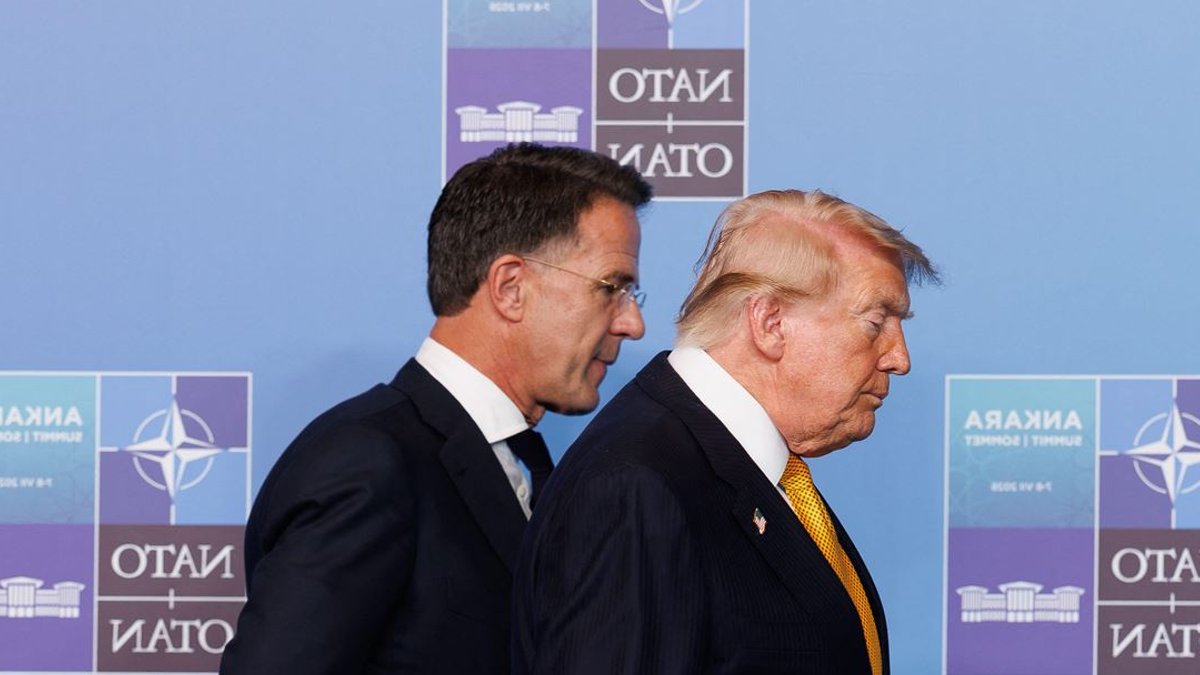
ANKARA — NATO Secretary-General Mark Rutte and U.S. President Donald Trump both hailed the recent summit in Turkey as a success. The real test comes now: Can the alliance maintain its momentum?
Mixed signals at the summit
Trump kicked off the two-day gathering by expressing grievances, criticizing European allies over Iran, threatening trade actions against Spain, and musing about purchasing Greenland. He even suggested his attendance hinged on his relationship with Turkish President Recep Tayyip Erdogan.
However, by the summit’s end, the tone had shifted. Praise from Rutte and an agenda focused on increased defense spending seemed to appease Trump. NATO officials and diplomats reported a more constructive Trump behind closed doors than his public remarks indicated.
Related: Europe Prepares Rules for Frontier AI Systems
“Trump speaks to his audience back home, not NATO,” said Nicolás Pascual de la Parte, a former Spanish ambassador to NATO and current MEP. “He knows some things are off-limits, but the rhetoric plays well back home.”
Summit outcomes
The six-point declaration reaffirmed all allies’ commitment to Article 5, maintained support for Ukraine with at least $70 billion this year and similar levels next year. It also acknowledged European allies and Canada’s growing share in conventional defense responsibilities.
The summit saw NATO allies announce over $50 billion in defense deals at the NATO Industry Forum. Key purchases included airborne early warning aircraft from Saab and surveillance aircraft from Northrop Grumman. More than $40 billion was committed for counter-drone capabilities over the next five years.
Related: EA Takes Steps to Calm Bondholders
Rutte pushed for a “Made in NATO” approach to boost joint procurement and cut trade barriers. Yet, the EU’s defense ambitions, including a €150 billion loan program and a €90 billion loan for Ukraine, could complicate this. Juraj Majcin, a European Policy Centre analyst, saw the “Made in NATO” label as largely symbolic, unlikely to significantly reshape procurement rules.
Uneven defense spending
While Baltic states nearing the 5% GDP defense spending target, larger economies like France, Italy, Spain, and the UK still face hurdles reaching the 3.5% core defense spending target by 2035. Slovenia is currently the only ally not on track to meet the 2% benchmark by 2024.
A NATO official noted that the focus should be on allies’ paths towards meeting their commitments, not dwelling on past shortfalls. The challenge lies in funding the buildup without compromising other spending, including social welfare.
Related: Europe Strengthens Water Management Systems
Coalitions of the willing, like a potential Mediterranean grouping, could help translate increased spending into actual capabilities. However, production capacity is currently the biggest constraint, with both sides of the Atlantic struggling to meet demand.
Looking ahead
The next major challenge is the U.S. force posture review, which could assess potential reductions in American contributions to NATO. Allies need to invest in strategic enablers that might be withdrawn or relied upon too heavily. Satellite intelligence, counter-drone systems, air defense, and long-range precision artillery are key areas.

Europe Prepares Rules for Frontier AI Systems


