


Ghana awaits IMF funding decision this week
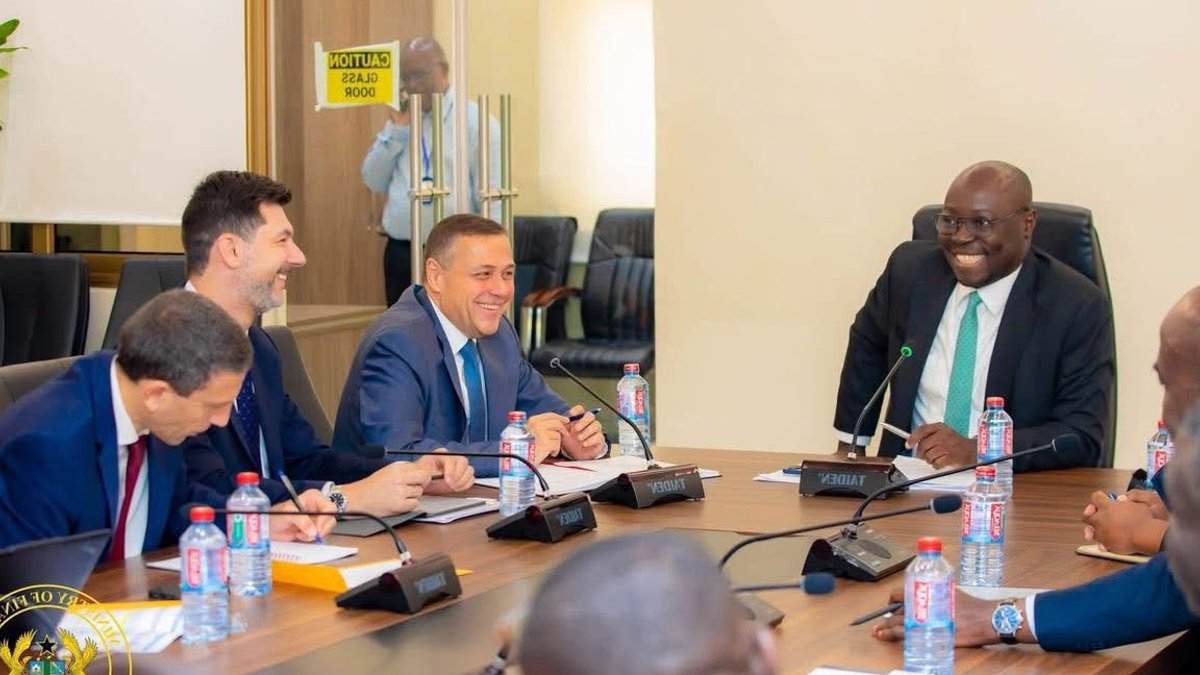
Ghana is expecting the final disbursement of about $318 million from the International Monetary Fund (IMF) as the Executive Board meets this week to consider the country’s sixth and final review under the Extended Credit Facility (ECF).
This review is a significant milestone in Ghana’s economic recovery efforts, following a severe macroeconomic crisis that prompted the government to seek IMF support in 2023.
The approval would pave the way for the country’s final bailout disbursement and formally conclude its three-year IMF-supported programme, which has underpinned fiscal consolidation, debt restructuring, and broader macroeconomic reforms.
It would also signal the successful completion of a programme that has guided Ghana’s economic policy and reinforced policy credibility.
Related: MTN Ghana Marks 30 Years of Service
Beyond the final disbursement, the IMF Executive Board is also expected to approve Ghana’s request for a 36-month Policy Coordination Instrument (PCI), a non-financing arrangement that will guide the country’s economic policy after the expiration of the Extended Credit Facility.
Unlike the ECF, which provides financial assistance to countries facing balance of payments challenges, the PCI does not involve direct funding, but offers enhanced policy engagement and monitoring by the IMF.
The PCI provides an internationally recognised framework for sustaining economic reforms and reinforcing policy credibility, and for Ghana, it represents a transition from crisis financing to reform consolidation.
This transition is expected to reassure investors, development partners, and credit rating agencies that the government remains committed to prudent fiscal management, macroeconomic stability, and structural reforms beyond the IMF bailout programme.
The government says the new arrangement will anchor the next phase of Ghana’s economic reform agenda by strengthening macroeconomic resilience, supporting broad-based growth, and demonstrating its commitment to sound and responsible economic management.
Related: Coconut water makes a surprise comeback bid
The transition to a Policy Coordination Instrument is widely viewed as an important signal that Ghana is entering a new phase of its economic recovery, and while the arrangement will not provide fresh IMF financing, economists say its policy oversight could help sustain reform momentum, improve investor confidence, and strengthen Ghana’s access to concessional financing from multilateral and bilateral development partners.
The IMF Board’s approval of both the final ECF review and the PCI would therefore mark more than the end of the bailout programme, but also the beginning of a post-bailout policy framework aimed at safeguarding macroeconomic stability, restoring market confidence, and laying the foundation for durable, private sector-led economic growth.
The IMF Executive Board’s approval is awaited.
As the IMF Executive Board meets this week, Ghana is waiting for the final approval, which would mark the end of the bailout programme and the beginning of a new era of economic growth and stability.

MTN Ghana Marks 30 Years of Service


