


Markets price risk in uncertain times
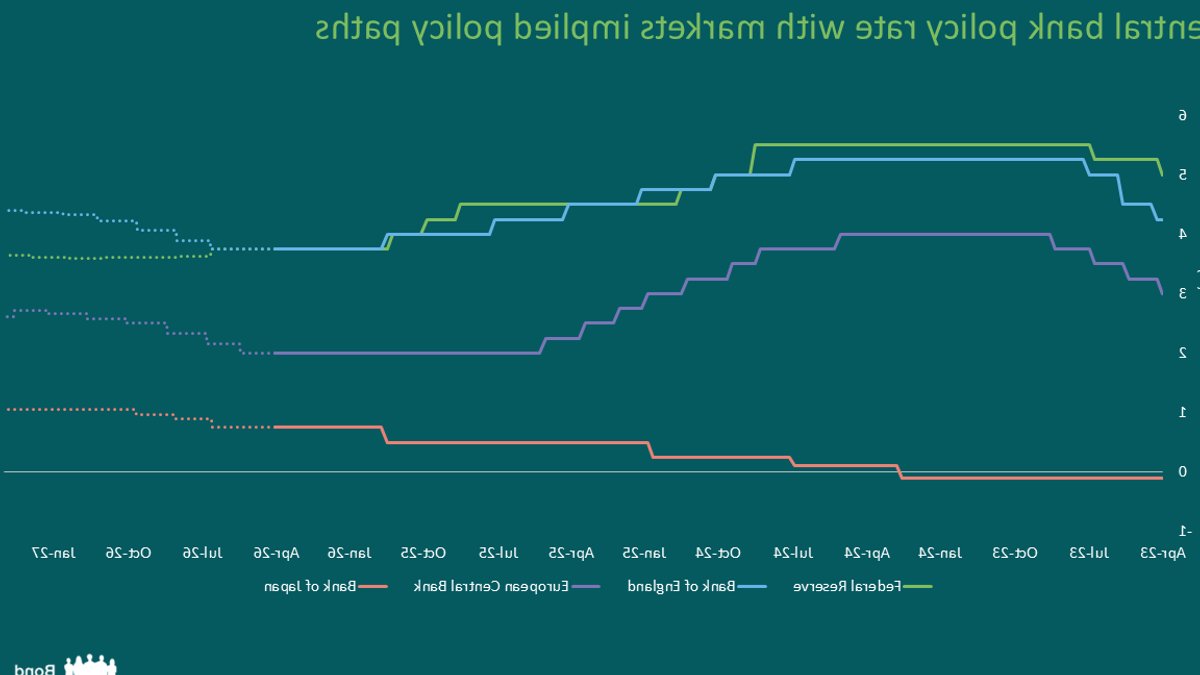
Markets tend to price risk, not hope, especially when uncertainty rises. The renewed tensions in the Middle East are a reminder of this, bringing energy risk, inflation concerns, and policy credibility back into focus.
Geopolitical Tensions and Market Volatility
The conflict in the Middle East has reintroduced an increasingly familiar macro backdrop for markets. Energy risk premia, inflation uncertainty, and renewed focus on central bank credibility have all resurfaced.
According to the report, a ceasefire would clearly be positive, but positioning portfolios around geopolitical developments remains uncertain. Experience suggests that bottom-up analysis and stress testing fundamentals remain a more robust approach.
Lessons from the Past
For structured credit investors, there are useful parallels with the period spanning 2022 and 2023. That episode combined aggressive monetary tightening with raised inflation and widespread concerns around household balance sheets.
Despite the severity of the shock, consumer asset-backed securities, such as auto loans and credit card receivables, proved resilient compared to expectations at the time. As markets again debate the risk of renewed interest rate pressure, it is worth revisiting what that period taught us.
The rapid rise in rates placed real pressure on household cash flows. Debt servicing costs increased sharply and real incomes were squeezed. Despite this, consumer ABS fundamentals held up far better than many anticipated.
ABS Performance During Volatility
Floating rate credit benefited from coupon resets that moved higher alongside policy rates, limiting drawdown risk and preserving income. Price sensitivity remained low, helping to dampen volatility relative to traditional corporate bonds.
Returns during the period were driven primarily by carry rather than capital gains, reducing reliance on spread compression or market timing. In practice, this allowed high-quality ABS strategies to deliver more stable outcomes with lower correlation to government bonds and fixed-rate credit.
When compared with similarly rated short-dated corporate bond indices, senior ABS strategies delivered stronger cumulative returns with shallower drawdowns. This was evident across both euro and sterling share classes during the 2022 to 2023 stress period.
Ratings stability in uncertain environments is also a key factor. ABS has demonstrated a strong ratings profile, even through periods of macro stress. Over the past decade, rating upgrades have outpaced downgrades, including during the volatility of 2022 and 2023.
With inflation risks still an area of focus and ongoing debate around central bank credibility, assets that reprice with rates and are underpinned by resilient consumer fundamentals may offer a more resilient profile.
The combination of resilient fundamentals and supportive trends increases confidence that episodes of spread widening do not necessarily indicate structural deterioration and may, in some cases, create opportunities for disciplined investors. The data from the past decade shows that ABS has consistently demonstrated a strong ratings profile, with rating upgrades outpacing downgrades, which is evident in the bond market outlook.
For multi-channel sellers, managing risk and maintaining a strong financial position is critical, which is closely related to order fulfillment strategies.
ABS has a strong track record.

Jim Leaviss discusses the bond market outlook


