


El Niño Impacts Global Food Supplies
El Niño, a climate phenomenon, is expected to have a significant impact on global food supplies and economies, yet it has received relatively limited attention in market commentary and mainstream media. The US National Oceanic and Atmospheric Administration (NOAA) forecasts an 81% likelihood of a “very strong El Niño” event, which could lead to extreme weather conditions, disrupting food production and supply chains.
Climate Event of Historic Proportions
Australia’s Bureau of Meteorology predicts temperatures rising to 3.5C above average, surpassing the previous peak in November 2015. This event is expected to have a profound impact on the economies of various South Pacific nations and global food-price inflation.
Peru, one of the countries most heavily affected by El Niño, may see its GDP growth reduced by over one percentage point. The impact of El Niño on Peru’s blueberry production, which accounts for over $2.5 billion in exports, will affect the global availability and price of this fruit.
Related: Stablecoins reshape global finance silently
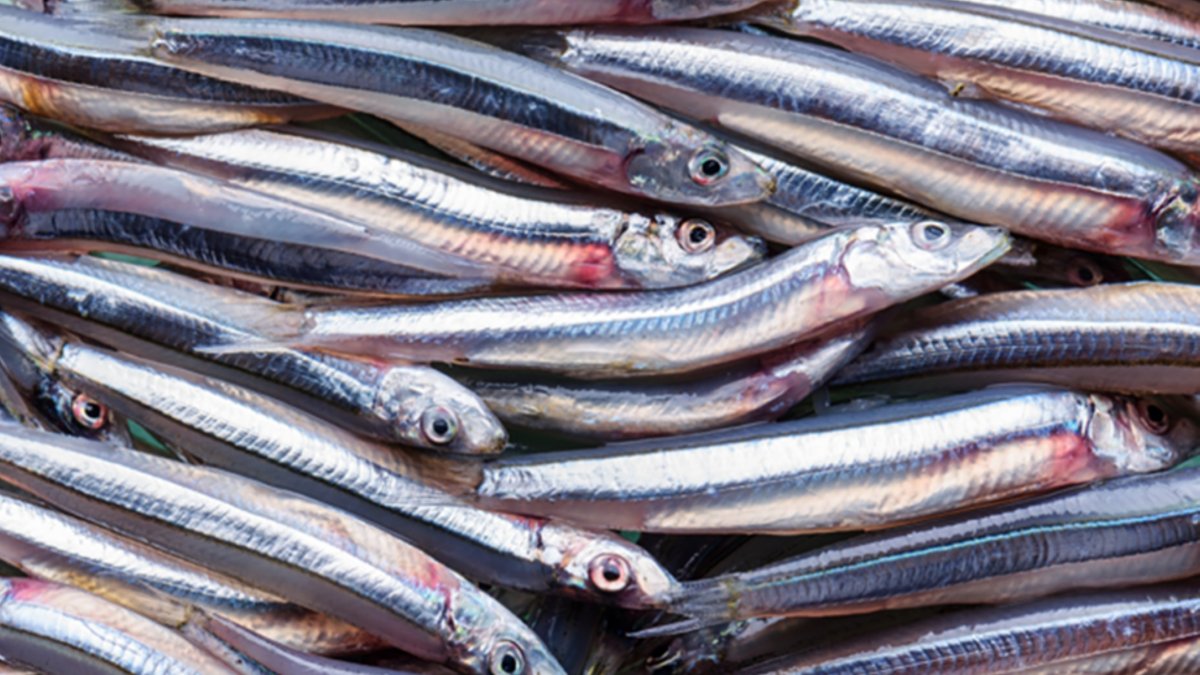
The Peruvian anchovy fishery, the largest in the world by volume, will also be affected, as warm waters stress the fish and render them infertile. This will likely lead to a reduction in fishmeal production, which is used to feed farmed fish, other aquaculture, and livestock, resulting in higher fish prices globally.
Global Impact on Food Production
The warming of the Pacific Ocean will have a tremendous impact on crop production worldwide. Australian wheat yields could collapse by up to 60%, while global cocoa and coffee output could fall by 15%. Brazilian corn production may decline by 10%. The weather will become more extreme, with typhoons, flooding, and droughts expected to be more prevalent than usual.
Parts of east Africa face serious shortages of staple grains, and the prospect of food price inflation is very real. The ramifications of this event could be huge, with significant effects on emerging markets, particularly in Asia, where food prices are a larger component of the inflation basket than energy.
As the southern hemisphere’s planting season begins and El Niño takes hold, these effects will become more apparent. The rising cost of logistics, due to the decreased frequency of transits of the Panama Canal, will also be inflationary.
Related: AI drives high-yield investment shift
Investors in agricultural commodities may find opportunities in the disruption caused by El Niño. Rising inflation should lead to a concomitant rise in rates, impacting currencies and local-currency bond markets.
Investment Opportunities
The effects of El Niño will be felt across the globe, from the price of blueberries and fish to the stability of emerging markets. As the event unfolds, it is essential to consider the potential implications for food production, logistics, and investment opportunities.
They will have a significant impact.

Stablecoins reshape global finance silently


