


LME volatility tests Arxada’s market strategy
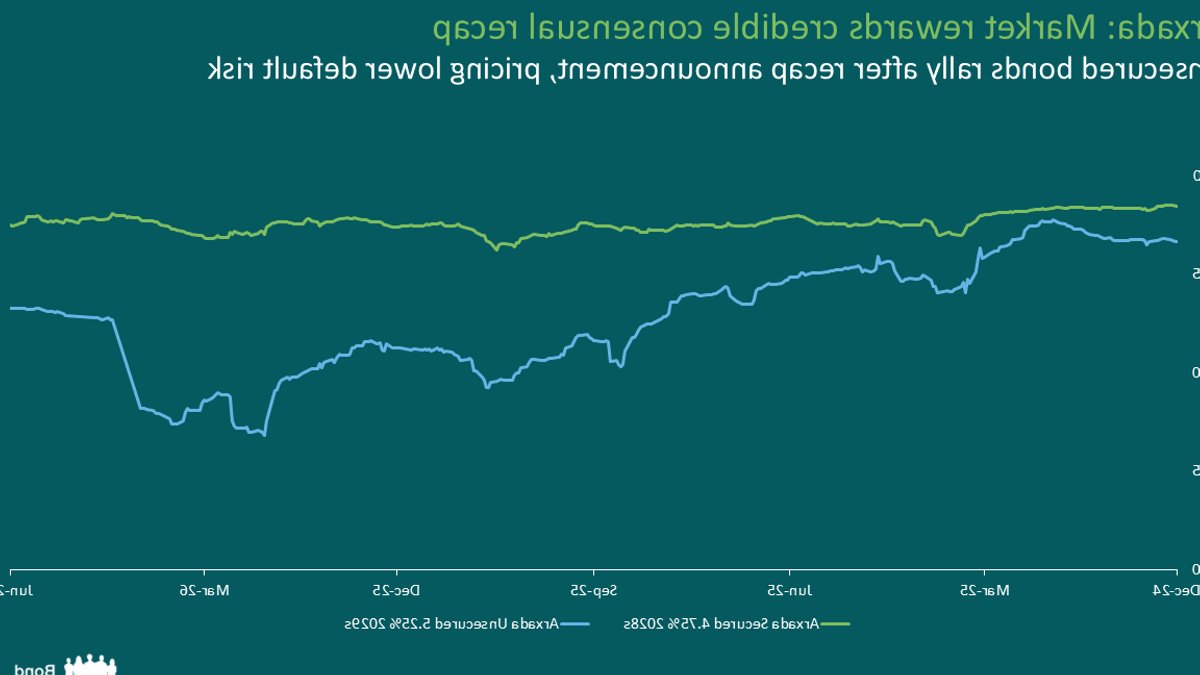
Markets increasingly view liability management exercises as a signal of coercion and value extraction. Sponsors now use a range of tactics—dropdowns, up-tierings, and non-pro-rata moves. When protections are limited, these actions make sense for them. Yet this perspective overlooks part of the picture.
Some credits with high LME flexibility produce negotiated outcomes that protect value and even create new opportunities. The difference lies not only in legal terms but also in how creditors engage.
Documents set the stage, but they don’t write the ending
Arxada’s bond terms show how adaptable some capital structures can be. Super senior baskets allow additional secured debt. Dropdowns face minimal restrictions, with no J.Crew blocker to prevent asset transfers into unrestricted subsidiaries. The intercreditor agreement can be changed with majority consent, letting notes be subordinated in payment, liens, or priority. This flexibility enables moves like the up-tiering at Victoria Plc.
Legal terms alone don’t determine results. Outcomes depend on what sponsors want, how creditors interact, directors’ responsibilities, and the makeup of creditor groups. Weak documentation invites coercion, which gets priced into bonds but also gives sponsors leverage for better deals.
For unsecured creditors, the main risk isn’t whether a transaction is technically coercive. It’s whether the group can act together. A divided creditor base can be exploited, with some gaining advantages while others lose out. Coordination changes this dynamic. Creditors may still accept concessions—extensions, coupon changes, or exchange terms—but they negotiate as a unit rather than individually. This approach isn’t about fairness. It’s practical when documentation offers little protection.
Arxada’s path: the threat of coercion as a negotiating tool
Arxada considered multiple approaches, from consensual amend-and-extend to schemes or more aggressive LMEs, based on creditor support. The existence of these options influences behavior. The sponsor doesn’t need to pursue the most aggressive route for it to affect decisions.
Related: SEC alerts Ghanaians to illegal investment platforms
The possibility of coercion can push creditors toward a quicker, negotiated solution. Sponsors have choices. Secured lenders are shielded by their position. Unsecured creditors face real risks from disorganization. This changes their incentives. Rather than rejecting the process, they may organize early, sign cooperation agreements if necessary, and negotiate for continued involvement and potential gains. This often means accepting some shared burden in return for time, liquidity, and stability.
Arxada demonstrates this in practice. Both secured and unsecured debt are being extended at par. Sponsors Bain and Cinven are adding fresh junior capital to support the deal and improve liquidity. A covenant reset limits future LME flexibility in exchange for consent. Creditors gain a longer timeframe, ongoing exposure, and a share in any recovery.
Aggressive LMEs come with costs. They create litigation risk, delays, reputational harm, and often produce more complex structures that are harder to refinance. They might solve an immediate maturity issue but create long-term problems. For a business like Arxada, where recovery is possible, preserving time can matter more than winning a priority dispute. Creditors, including secured lenders, need a viable borrower and a financeable structure.
Investors frequently misjudge LME risk. Markets confuse legal flexibility with probable outcomes. Many structures permit extreme actions, but few make them the best choice. The important factor isn’t what issuers can do. It’s what they’re motivated to do. In cases like Arxada, the threat of coercion often leads to a faster, more orderly resolution without needing to carry it out.
The most promising opportunities aren’t just credits with the weakest documentation. They’re situations where coordination turns structural weakness into a negotiated reset, protecting value and potential gains. Market behavior in other sectors shows similar patterns, where flexibility can lead to unexpected stability when managed well.

Korea stocks defy strong economic fundamentals


