


Nuclear power sets new generation records amid industry expansion
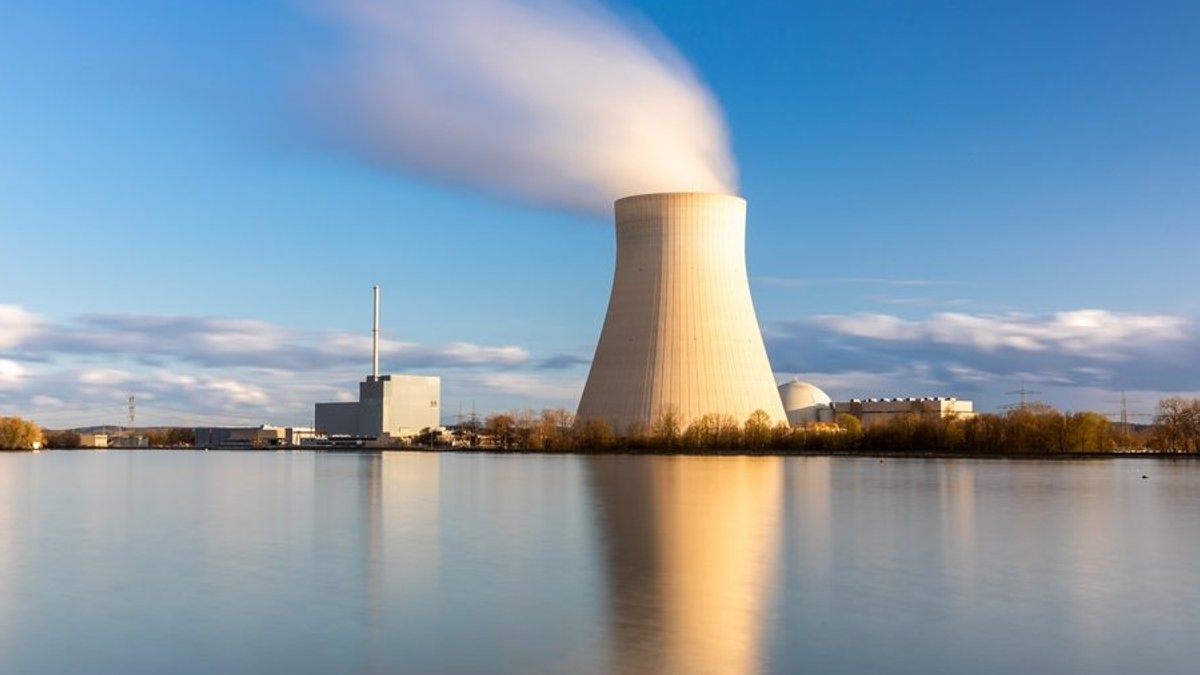
The World Nuclear Association reported that global nuclear power generation reached a record 2,702 terawatt-hours (TWh) in 2025, continuing two years of steady growth.
In 2025, 440 operational reactors maintained an 83.7% capacity factor, meaning they operated close to full capacity for most of the year. This level of efficiency surpasses that of wind and solar, which typically operate below 40% capacity. The year also saw three new reactors connect to grids, while construction began on another 11 in 2024, reinforcing the industry’s upward trend.
Total nuclear capacity now stands at 423 gigawatts-electric (GWe), with projections aiming for 1,457 GWe by 2050—a 200 GWe increase from current levels.
The Range Nuclear Renaissance Index ETF (NUKZ) offers investors access to the entire nuclear value chain, including reactor design, construction, fuel supply, and utility operations. Unlike funds focused solely on raw materials, this ETF reflects the sector’s broader growth potential.
The fund’s structure captures companies involved in reactor maintenance, facility management, and supply chains, positioning it to benefit from long-term nuclear development.
NUKZ’s design aligns with the industry’s shift toward integrated infrastructure, where efficiency and scalability are priorities. By covering the full nuclear ecosystem, from construction to operations, the fund mirrors how the sector is adapting to global energy needs.
Nuclear’s operational efficiency remains a key advantage, with reactors running at 84% capacity and providing consistent power unlike intermittent renewables.
While policy and technological progress drive nuclear’s growth, financial instruments like NUKZ allow investors to participate in its expansion. The ETF’s broad exposure spreads risk while capturing the sector’s upward trend.
With a target of 1,457 GWe by 2050, nuclear’s role in the energy mix is poised for significant growth.

BlackRock Plans ETF Classes for Five Mutual Funds


