


EU carbon market overhaul three key points
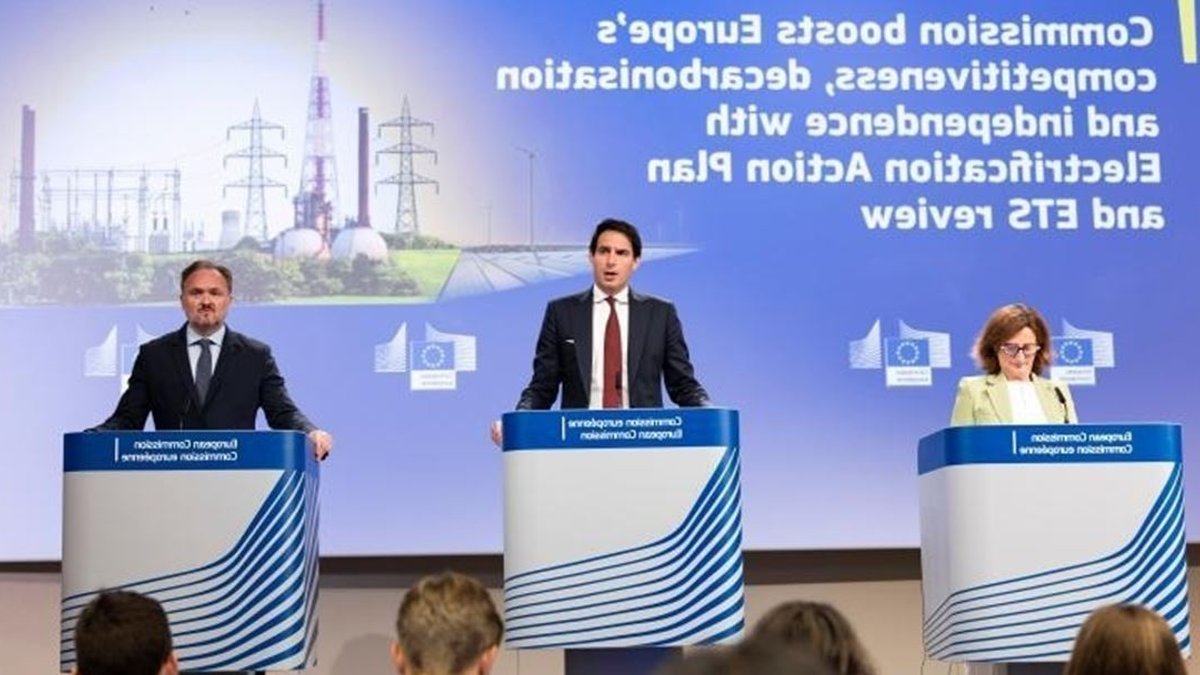
EU carbon market overhaul was announced today as the European Commission presented a detailed plan to revamp the bloc’s Emissions Trading System, aiming to keep the region on track for a 90% cut in greenhouse gas emissions by 2040.
Slower allowance reductions spark debate
The proposal trims the linear reduction factor that governs how quickly the overall cap on permits shrinks each year. From 2031 to 2035 the factor would fall to 3.7%, then to 1.7% beginning in 2036, a shift that stops the cap from hitting zero in 2039 under the current 4.4% trajectory.
Critics from environmental groups argue the softened pace weakens the climate ambition, while the Commission defends the numbers as “entirely climate‑law‑proof.” Climate Commissioner Wopke Hoekstra told reporters that achieving the target does not require the higher reduction rate.
Related: Skills May Decide Artificial Intelligence Supremacy
Power generators, steelmakers, chemical manufacturers, shipping firms and airlines have all been flagged as sectors that will feel the impact of the new rules.
In the past, the market has functioned like a piggy bank for governments. In 2025, national budgets collected €24 billion out of the €43 billion generated, often using the cash to fill fiscal gaps rather than fund green projects.
Under the new framework, governments must allocate at least half of future proceeds to bolster domestic producers, a concession meant to ease industry concerns while still feeding the transition.
Flight coverage and revenue shift
The plan also widens the scheme’s reach to all flights departing the region that travel up to 5,000 km, extending beyond the current focus on intra‑European routes. Longer‑haul services to the United States or China remain exempt.
Related: SpaceX asteroid threatens telco and cable giants
The changes will affect airlines.
By pulling more aviation activity into the system, the Commission hopes to capture a slice of that avoided cost, adding to the pool of funds earmarked for industrial support.
A study by Transport & Environment estimated airlines avoided €8.5 billion in emissions costs last year thanks to existing exemptions and free permits.

Skills May Decide Artificial Intelligence Supremacy


