


Stablecoins reshape global finance silently
Stablecoins are changing finance in ways that often go unnoticed. These digital tokens, designed to maintain a steady value—typically tied to the U.S. dollar—have expanded from a niche tool in crypto markets into a potential parallel monetary system with broad implications for banks, credit, and financial stability.
How stablecoins work—and why they matter
Most stablecoins rely on reserves, though not all reserves are equal. The two largest, USDC (issued by Circle) and USDT (issued by Tether), control about 90% of the market. Their reserve structures differ significantly.
Circle’s USDC holds roughly 75% of its reserves in short-term U.S. Treasuries, with an average maturity of 43 days, and the remainder in cash deposits at regulated banks. Tether’s USDT, however, keeps about 70% in Treasuries and cash equivalents, while also allocating 9% to corporate bonds, precious metals, and other investments, 5% to Bitcoin, and 8% to secured loans to unaffiliated entities.
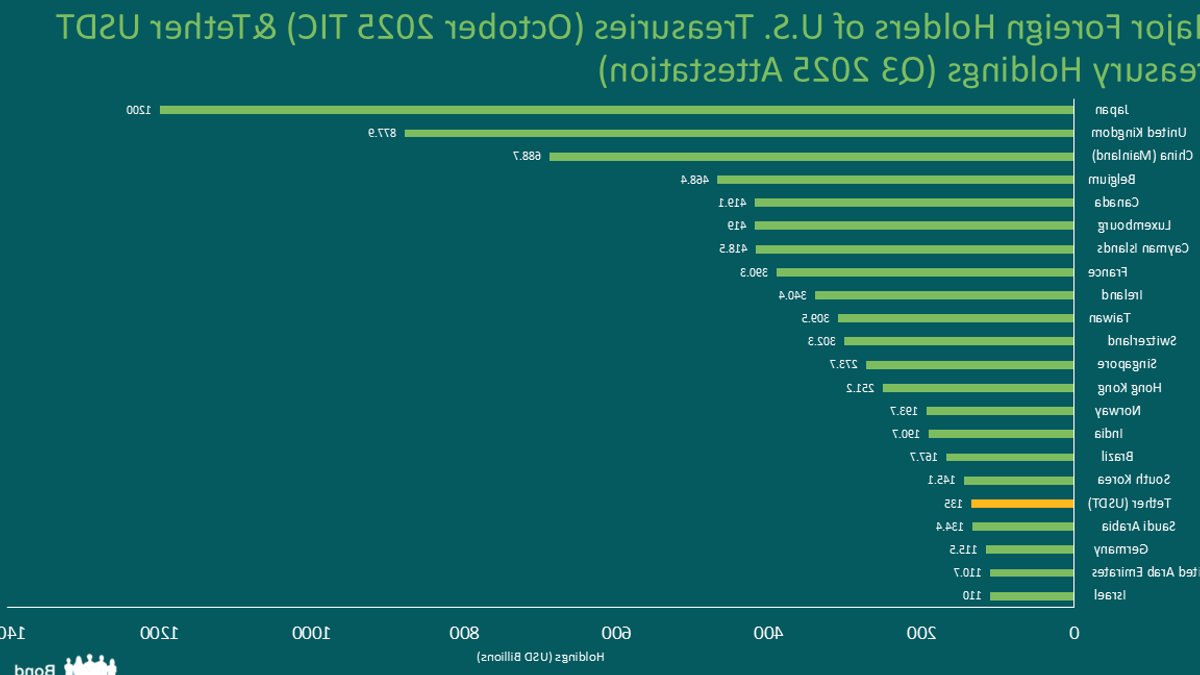
That scale has positioned Tether as the 17th-largest holder of U.S. Treasuries globally, according to the U.S. Department of the Treasury as of October 2025. Stablecoins have become major participants in the market for short-term government debt, diverting capital that might otherwise flow into bank deposits or private lending.
Faster payments, but not for everyone
For most consumers, stablecoins don’t yet provide a clear benefit over traditional banking. Instant, round-the-clock settlement is useful, but many digital payment systems already offer similar speed. The real distinction lies in interest.
The GENIUS Act, enacted in July 2025, established a federal framework for stablecoins, offering regulatory clarity and consumer protections. One provision bars issuers from paying interest directly to holders, ensuring these tokens function more like cash than investment products. However, third-party platforms such as Coinbase or Binance can still distribute yield to users by staking the underlying reserves. This process lacks transparency, and the returns aren’t guaranteed, which may explain why wider adoption has been limited.
Related: Grounded Hawk Spotted in Local Park
Cross-border payments highlight their advantage. Global remittances reach roughly $900 billion annually, with average transaction costs around 6.5%. Stablecoins could reduce those fees to nearly zero, posing a challenge to traditional remittance services like Western Union, which is now developing its own stablecoin. In countries with unstable banking systems or high inflation, dollar-pegged stablecoins provide a stable store of value without requiring a bank account. This is especially attractive in parts of South America and Africa, though it may accelerate capital flight from emerging economies.
The growth of stablecoins represents more than a technical shift. Banks depend on deposits to fund loans, and these tokens disrupt that model in three ways. First, they draw deposits away from banks, reducing a cheap and stable funding source. Second, the reserves backing stablecoins are usually invested in Treasuries rather than private lending, which could tighten credit availability. Third, during a crisis, depositors might shift to stablecoins perceived as safer, increasing pressure on bank funding and raising the risk of runs.
Recent crypto legislation stalled last week due to banking industry lobbying, particularly over provisions allowing interest payments on these tokens.
The U.S. government currently benefits from demand for short-term debt, but the long-term consequences could be significant. Continued growth may force a fundamental restructuring of the banking system, where lending costs rise, credit becomes harder to obtain, and alternative financing channels struggle to compete. The shift is already underway, and its effects are starting to emerge.
Banks and policymakers are paying attention.
In regions where local currencies are unstable, the appeal of dollar-pegged tokens grows. This trend mirrors broader concerns about the U.S. dollar’s role in global finance, as digital alternatives offer new ways to preserve value outside traditional systems.

US dollar loses its exceptional status


