


Bangladesh eyes Sukuk and dollar bonds for Matarbari
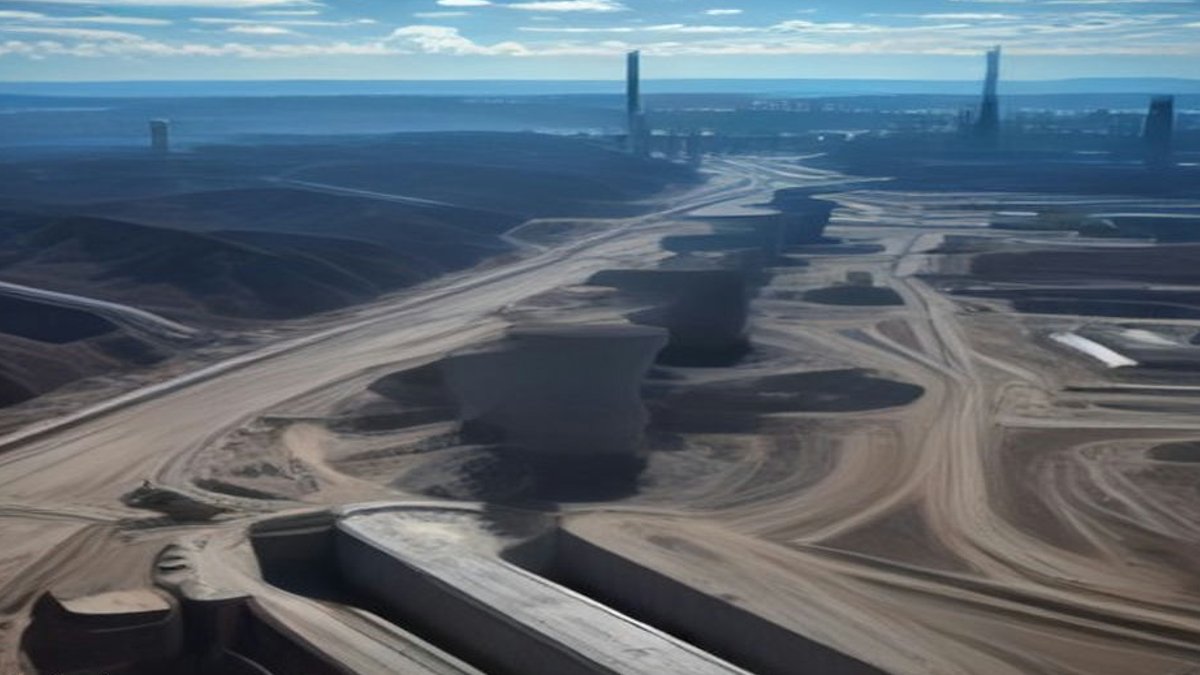
Bangladesh’s government is weighing several financing routes for Matarbari Phase 2, a 1,320 MW coal-fired power plant expansion that will cost roughly Tk16,000-17,000 crore (about $1.3 billion).
Financing options under review
The implementing agency, Coal Power Generation Company Bangladesh Limited (CPGCL), submitted a Development Project Proposal to the Power Division last week. The division met the Finance Division on 19 October, with Tanvir Ghani, the prime minister’s special assistant on investment, in attendance.
Power Division Secretary Mirana Mahrukh told officials that borrowing costs and potential tariff impacts are being examined before a final decision, expected early next month.
“Raising $1-2 billion through domestic Sukuk is achievable as local banks are willing to invest at higher interest rates,” Mahrukh said.
She added that higher interest expenses could pressure electricity prices, prompting a cautious approach.
Authorities are also looking at sovereign dollar bonds, export-credit-agency (ECA) financing, and interim payment certificate (IPC)-based funding to cover the project’s needs.
Because most equipment will be imported, the government prefers foreign-currency financing to limit exchange-rate volatility. About 80% of the total outlay will be spent in foreign currency, with the remaining 20% allocated to local infrastructure and labour.
ECA arrangements would use government-backed loans, guarantees or insurance, while IPC structures provide short-term liquidity to contractors against certified work progress.
Cost and timeline pressures
The project’s schedule aims to commission the first unit by June 2030. Officials said a swift financing decision is critical to meet that target, especially after recent power shortages linked to supply disruptions from India.
Constraints on gas-fired plants, caused by limited LNG regasification capacity and volatile international fuel prices, have heightened the need for reliable baseload capacity.
Phase 2 is projected to cost 70-72% less than Phase 1, which required Tk57,000 crore for port construction, roads, coal storage and power evacuation infrastructure.
Shared facilities such as the land parcel, coal-unloading jetty, stockyard, transmission lines and substations are already in place, reducing the need for new capital investment.
The Department of Environment has already cleared the project’s environmental impact assessment, clearing another hurdle for the expansion.
BPDB Chairman Md Rezaul Karim said coal remains a practical baseload option because the core infrastructure was built during Phase 1, making the second phase highly cost-effective.
Institutional response and procurement
After JICA withdrew funding in 2022, the Power Division submitted a preliminary proposal to the Planning Commission and the Economic Relations Division in April 2023. The Planning Commission approved the outline in May and forwarded it for financing.
Major international lenders—including the World Bank, Asian Development Bank, International Monetary Fund, Japan Bank for International Cooperation, Export-Import Bank of Korea, New Development Bank and European Development Fund—have declined participation, citing global mandates that limit coal financing.
Countries such as Qatar, Malaysia and Indonesia have offered unsolicited proposals to build the plant. While officials prefer a competitive international bidding process, they acknowledge that prolonged tendering could delay the project by up to two years.
A senior official warned that spending months on a standard tender only to switch to direct negotiation later might jeopardize the June 2030 operational deadline.
The government allocated Tk118 crore for consultancy services under a special Annual Procurement Plan approved on 22 September, supporting the next steps in project implementation.

Climate-Resilient Seeds Boost Bangladesh's Rice Output on Shrinking Land


