


Stockbrokers seek to modernize image amid wealth transfer
The stockbroking and investment advice industry is undergoing a significant shift as it attempts to redefine its image for a modern audience. The Stockbrokers and Investment Advisers Association (SIAA) released a white paper titled “Invested in what comes next,” arguing that several converging factors are creating a new opportunity for growth. These factors include a $5 trillion intergenerational wealth transfer reshaping client bases, a rise in self-directed investors, and the adoption of hybrid advice models.
Changing Public Perception
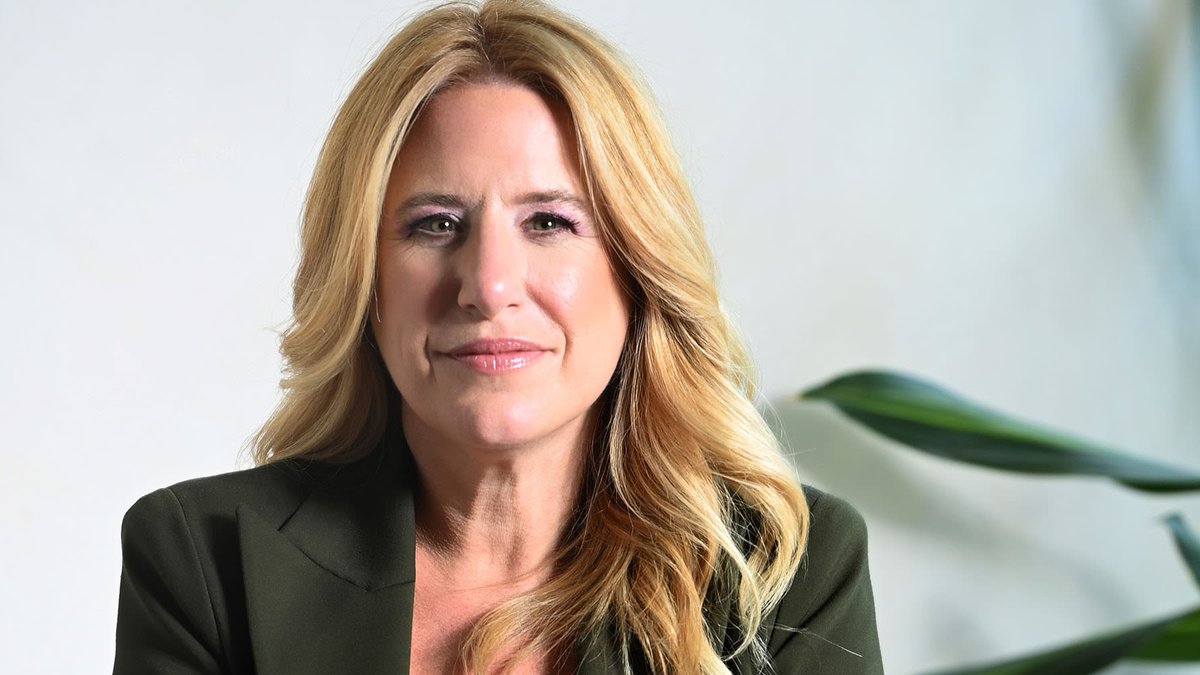
SIAA chief executive Maria Lykouras noted that the industry is “uniquely positioned” for this shift. The organization aims to improve the public perception of stockbrokers, which it claims “no longer reflects reality.” This disconnect means individuals are often unaware of how advisers can help them, even as consumer demand for advice rises beyond the number of available professionals.
The report points out that the intergenerational wealth transfer is complicating retention efforts. Inheritors are unlikely to use existing advisers and prefer to select their own. Past misconduct continues to shape public perception, causing a generation of potential clients to dismiss the profession before engaging with it. However, the industry has modernized significantly. Since the introduction of Professional Standards in 2017, the career now requires formal university qualifications, a national exam, supervised professional years, and continuing professional development focused on a Code of Ethics.
If successfully viewed as a profession, SIAA believes members could build stronger client relationships, attract graduates, and enhance firm reputations. The report argues that the industry must define its narrative publicly, consistently, and confidently to meet this demand.
The Value of Human Judgement
The rise of digital tools and artificial intelligence (AI) has highlighted the enduring value of human capabilities. According to the World Economic Forum’s Future of Jobs Report, judgement, contextual insight, and decision-making under uncertainty are now core skills sought after as AI reshapes job responsibilities. These are precisely the skills used by stockbrokers and investment advisers.
Advisers operate at the point where market movements become portfolio decisions. This includes tracking central bank decisions, interpreting company financial results, assessing an initial public offering, or discussing a client’s portfolio. Lykouras emphasized that the profession is defined by “live judgement,” operating in real-time when markets are moving. Clients rely on this expertise for a partner positioned to interpret events and act with clarity, rather than a process-driven approach.
Despite this, the dynamism of the work—working with CEOs, founders, and directors—often goes unnoticed. A new generation seeking careers that combine intellectual challenge, human judgement, and real-world impact is looking for this version of markets. Too often, the profession is grouped with process-driven, compliance-heavy categories, making its appeal invisible to those it would most attract.
Structural Growth Opportunities
According to SIAA, the potential for expansion is structural rather than merely incremental. The organization urges its members to implement specific changes to remain competitive in this evolving market. One key strategy involves broadening recruitment searches to attract a wider talent pool. Firms are also encouraged to focus on professional development for younger staff members, ensuring the next generation of advisers is well-prepared. Publicising the practical benefits of the role clearly is another critical step. Improving the industry’s reputation and raising internal standards are necessary actions to meet these challenges.

Australian advisers shift toward hedged US tech ETFs


