


Economic Forum Plans Action on Europe’s Strategic Challenges
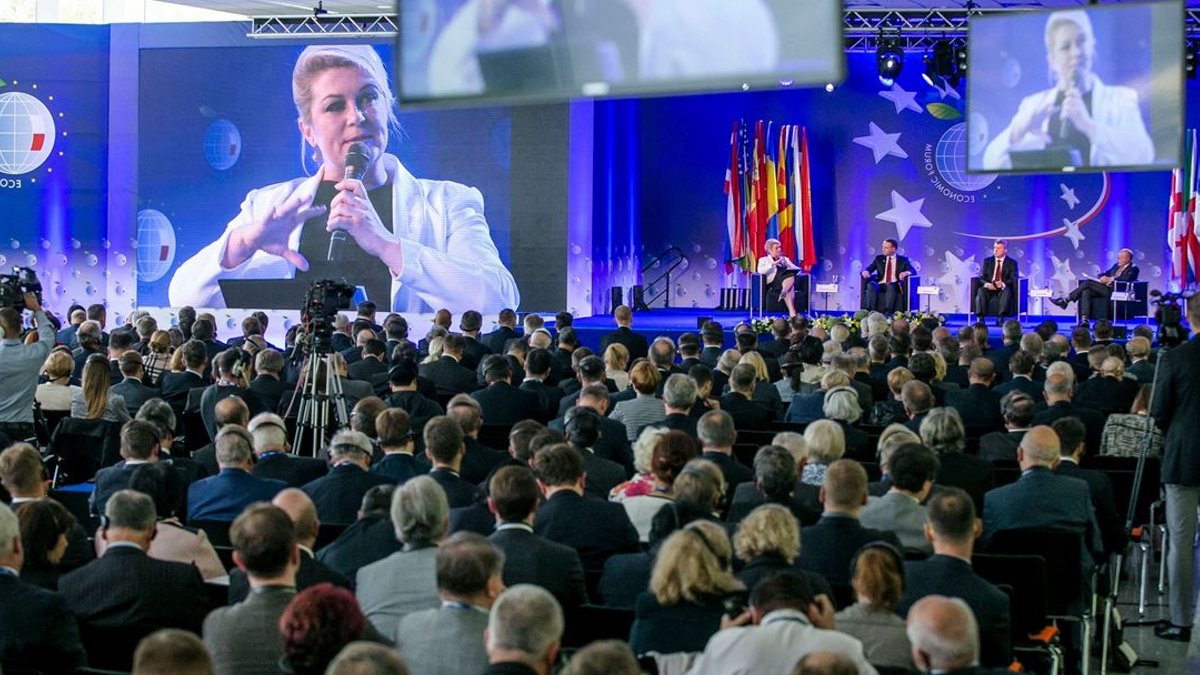
The Economic Forum in Karpacz opens under the banner “The Architecture of a New Order – Stability in Times of Change,” a signal that Europe’s strategic challenges are at the forefront of the agenda.
New strategic focus for the continent
Geopolitical strain from the war in Ukraine, turmoil in the Middle East and shifting global power balances has pushed states and institutions to look for fresh ways to keep security and growth steady. The European Union and NATO are being called on to tighten political, economic and military coordination, according to the event’s brief.
The rise of China and India nudges the world toward a more multipolar order. In that setting, energy reliability, economic resilience and progress in strategic technologies such as artificial intelligence and cybersecurity are highlighted as top priorities.
Stability amid rapid change, the organizers note, will need flexible institutions, space for dialogue and the ability to act together when crises erupt.
Scale and participants
The gathering expects over 6,000 guests from roughly 60 countries, featuring more than 500 sessions ranging from plenaries to workshops. Attendees include presidents, prime ministers, ministers, business executives, university rectors and cultural figures.
Eight program tracks steer the discussion: artificial intelligence, cybersecurity, health care, regional affairs, economy, international politics and security, society and sustainable development. The AI and cybersecurity tracks host the bulk of technology‑focused dialogue.
Related: Corporate hybrids lose their allure
In the health‑care track last year, about 750 sector representatives gathered, including over 200 hospital directors. The regional track drew more than 1,000 local officials, among them dozens of city and town mayors.
It also welcomes roughly 500 scholars from over 150 universities and research institutes, all looking for innovative answers to future challenges. A flagship presentation will be the SGH and Economic Forum Report, which traditionally kicks off the program, followed by the Financial Ranking of Local Governments, an in‑depth study of Polish municipal finances.
Beyond the sessions, the schedule includes concerts, film screenings and author meetings, with nightly galas awarding titles such as Person of the Year and Company of the Year.
Networking is a core element; last year the meeting was co‑created by 355 partners, including 146 business, 110 institutional and 83 media collaborators. The venue’s exhibition space spans nearly 5,000 m², and the event’s average value exceeds PLN 180 million.
The main partner for this year’s edition is the Marshal’s Office of the Lower Silesian Voivodeship. The organizer is the Institute of Eastern Studies Foundation.
Registration is now open, inviting leaders from politics, business, academia and culture to shape Europe’s future.

Europe Must Overcome Its Impostor Syndrome


