


Trump tariffs divide American consumers
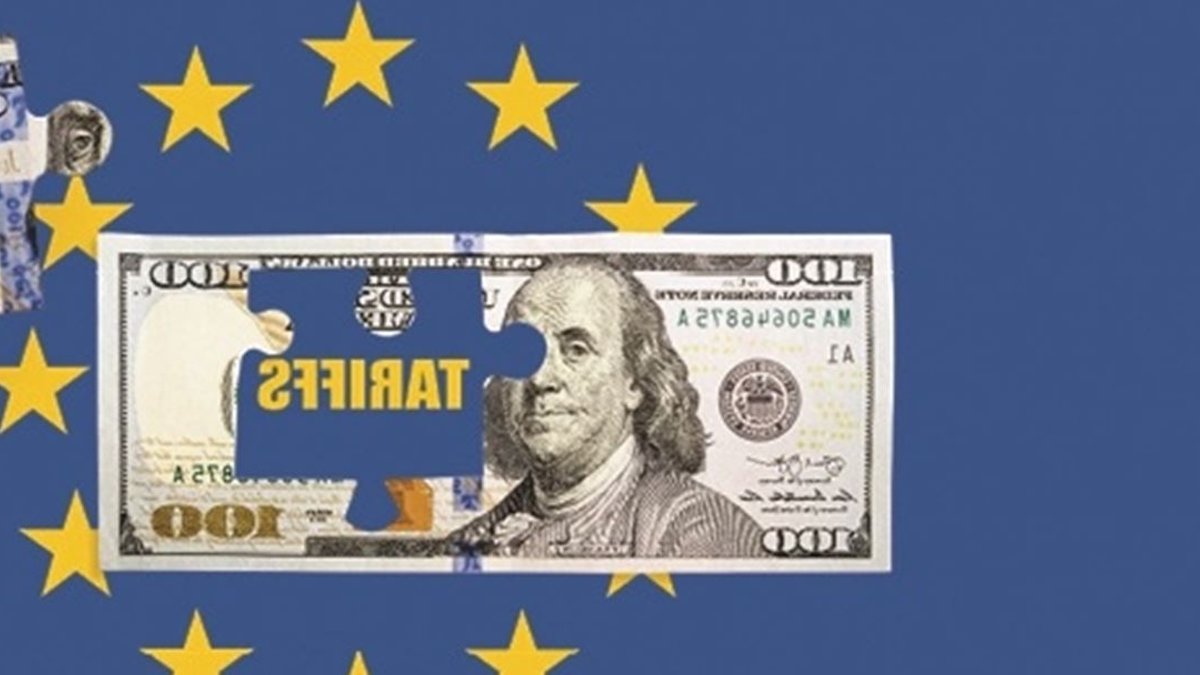
European consumers are acutely aware that the escalating trade tensions between the United States and the European Union are not just abstract policy discussions but a tangible threat to their household budgets. A new survey conducted by Euroconsumers across Spain, Portugal, Belgium, and Italy reveals that the vast majority of people understand tariffs are taxes on imports, yet they feel unprepared for the financial fallout. The data shows a deep-seated anxiety about the future, with financial stress already influencing expectations of rising living costs and potential job instability within families.
Roughly four in five respondents anticipate an increase in their household’s cost of living, with a significant portion—about one in four—expecting a sharp rise. While concerns about fuel, pharmaceuticals, and digital services are prominent, the survey indicates that consumers are most worried about the prices of technology and vehicles. More than half of those polled expect price increases across most product categories, with tech products and automobiles topping the list of anticipated inflation.
Related: Parliament’s July print edition released
Belgian respondents appear slightly more optimistic than their European neighbors regarding technology costs, with only 35% expecting significant price hikes for tech products. Conversely, Italians show heightened concern regarding utility bills and mortgages, while Spaniards are particularly worried about food and beverage costs as well as fuel prices.
Consumers want a unified European response
While the financial impact is the primary concern, the survey also sheds light on how people view the geopolitical nature of the dispute. A majority of respondents believe the United States initiated these tariffs primarily to exert political pressure on the EU. Despite this, there is a strong preference for collective action rather than individual deals. Only one in five people supports their own country negotiating a separate tariff agreement with the United States.
When asked how the EU should respond, 69% support imposing counter-tariffs on American products. This support exists alongside a realistic view of their economic utility; nearly half of the respondents do not believe tariffs are an effective way to protect domestic industries. This suggests that while consumers want the EU to stand its ground and demonstrate strength, they also recognize the limitations of trade barriers in solving broader economic issues.
Related: Ireland Seeks EU Budget Compromise Role
Despite the pressure to negotiate, the data reveals that the average European consumer values the regulatory strength of the Union. Even those facing financial difficulties—groups that are statistically more inclined to accept trade-offs—show a reluctance to weaken EU standards. The survey found that the majority of respondents, including those with the most to lose, do not believe the EU should abandon its high standards on environmental sustainability, digital security, or food safety in exchange for removing tariffs.
Instead of relying solely on trade barriers, the survey indicates a desire for strategic long-term solutions. A significant majority of consumers believe the EU should focus on investing in technological sectors to develop alternatives to American products and services, as well as expanding its presence in new markets to secure access to goods and raw materials. This approach reflects a pragmatic view that resilience comes from innovation and diversification rather than isolation.

Parliament’s July print edition released


