


Russian Fish Outwits Latest Sanctions
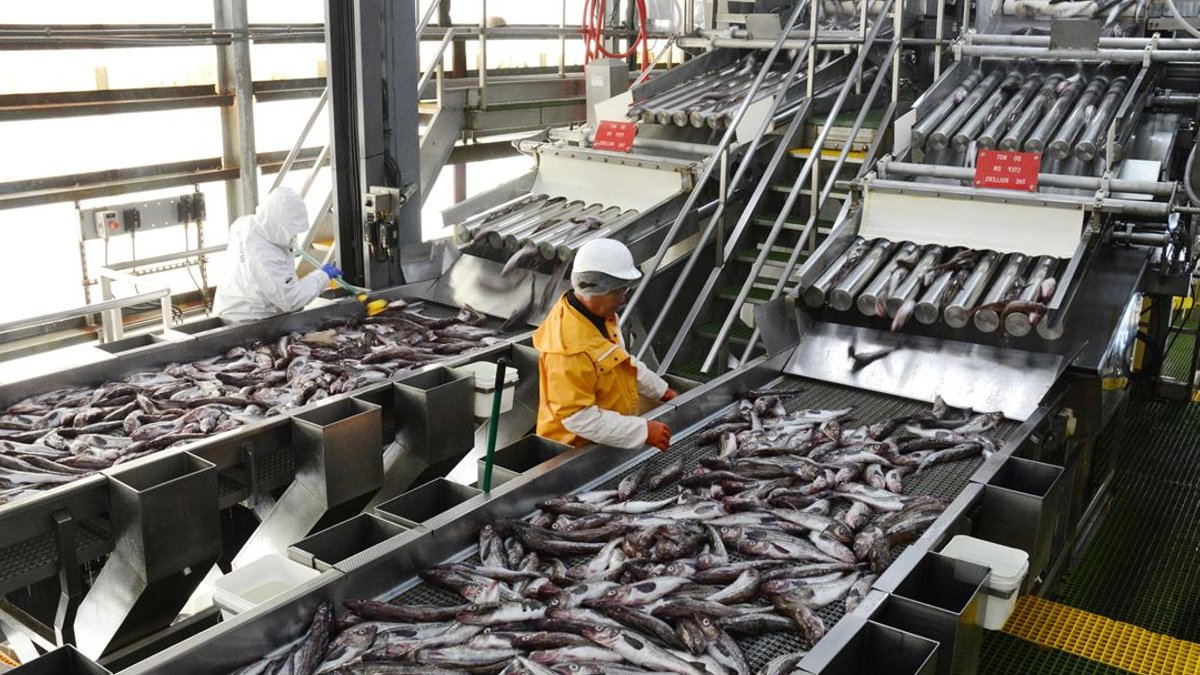
Supermarkets across Europe stock fish fingers and cod dishes, but many don’t mention their secret ingredient: Russian whitefish. Despite four years of EU sanctions against Russia, this loophole persists, with Russia’s fishing industry thriving. The EU had plans to change this, proposing a ban on Russian-caught cod earlier this year. However, after negotiations with member states, the proposal was dropped.
An Industry Too Big to Sanction
Russia supplies much of Europe’s whitefish, with Germany importing roughly as much as the next four largest European importers combined. The country’s fish processing industry heavily relies on frozen whitefish blocks, which produce fillets and fish fingers sold throughout Europe. Around 60% of the EU’s fish finger production is based in Germany.
Berlin and other member states argued that import restrictions could threaten jobs in fish processing and related supply chains. The European Union has implemented a few measures, such as excluding Russian-caught fish from duty-free access and blacklisting two major suppliers. But the sector remains mostly untouched.
More Than Economic Dependence
Allowing Russian-caught seafood to reach European dinner tables doesn’t align with the EU’s strong support for Ukraine, according to Vanya Vulperhorst, head of campaigns at environmental advocacy organization Oceana. Even though fishing is less important to Russia’s economy than energy exports, major fishing companies maintain close ties with political authorities.
Moreover, there are serious environmental concerns. The EU has repeatedly criticized Russia for illegal fishing practices, falling short of EU sustainability standards. Last year, the EU imported €739.8 million worth of Russian-caught seafood, with Germany, the Netherlands, France, Poland, and Portugal buying 90% of it. Cod and Alaska pollock made up most of this trade, totaling €631.5 million.
Related: Europe builds AI capabilities in three steps
Germany alone imported €255.2 million worth of Russian-caught seafood, with cod and Alaska pollock accounting for €198.7 million of that. This reliance on Russian imports poses significant challenges to the EU’s sanctions policy. Diversification of supply sources can help, but it’s not without its own complexities. For instance, increasing imports from the United States, which has a similar production scale to Russia, could lead to higher prices for consumers and increased competition for European producers.
Replacing Russian imports won’t be easy, due to a combination of factors. Lower imports would likely drive prices higher, benefiting some European producers at consumers’ expense. Europe’s ability to replace Russian supply domestically is limited, as some fish populations are too depleted to allow higher sustainable catches. However, diversification can help, such as sourcing cod from Iceland and Alaska pollock from the U.S., while avoiding overfishing of already depleted stocks.
The EU’s dependence on Russian whitefish is indeed substantial, and it outweighs its willingness to sanction it at present. However, sanctions aren’t just about immediate economic pain; they also create leverage for future negotiations. The industry understands that some form of sanctions will have to come eventually if no developments happen.
The European Commission’s proposal to restrict Russian seafood imports was just one part of a broader sanctions package designed to pressure Russia into ending its military intervention in Ukraine. The proposal’s withdrawal reflected the competing economic interests of EU member states, with Germany and other major importers of Russian fish products arguing that import restrictions could threaten jobs and disrupt supply chains. Despite this setback, the EU continues to maintain a range of other sanctions against Russia, including measures targeting its energy, financial, and defense sectors.
While the EU’s dependence on Russian whitefish poses challenges to its sanctions policy, it also shows the need for a full approach to EU-Russia relations. This includes not only sanctions and economic pressure, but also efforts to strengthen the EU’s strategic autonomy, promote sustainable fishing practices, and support Ukraine in its efforts to rebuild and reform. By addressing these challenges in a coordinated and full manner, the EU can work towards a more resilient and secure future, both for its citizens and for the global community.

Europe builds AI capabilities in three steps


