


Coal becomes top power source in Bangladesh
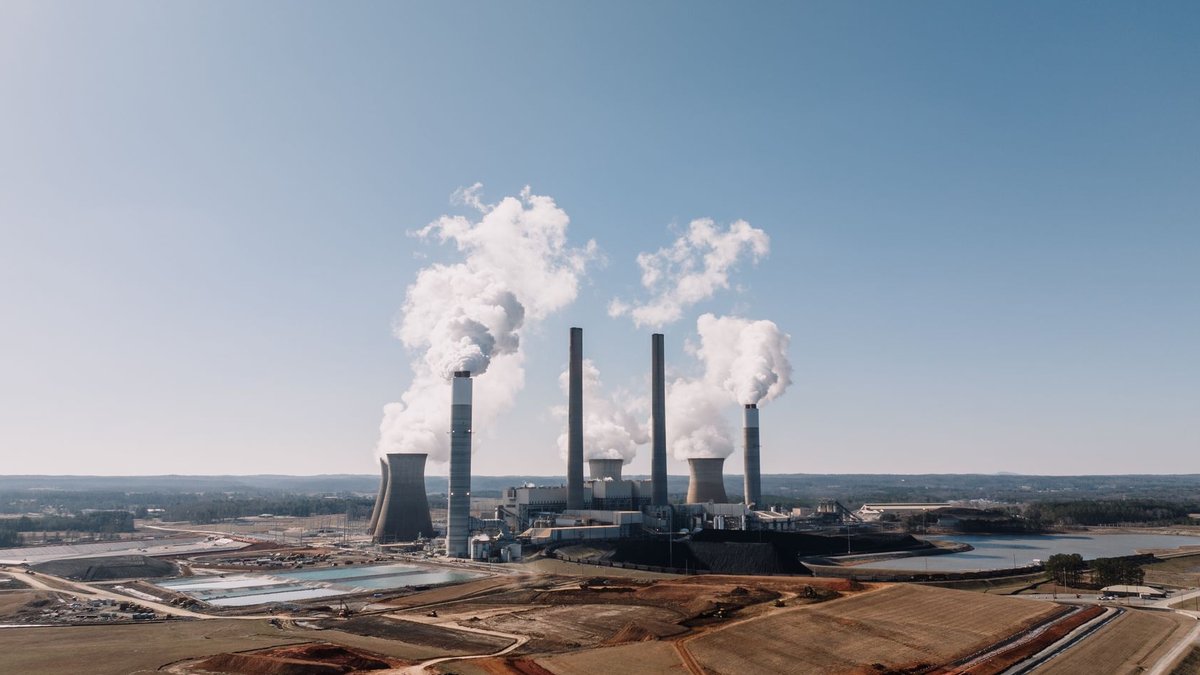
Coal has emerged as a leading power source in Bangladesh, with its share of electricity generation surging from 6.24% to 26.72% over the past four years. This shift is largely due to declining domestic gas production and the high cost of liquefied natural gas (LNG) imports, which have made coal a more reliable and relatively cheaper fuel option.
The Bangladesh Power Development Board reports that coal’s role in electricity production has jumped by 328.21% since fiscal year 2021-22. This shift has grown more significant lately, with coal plants surpassing gas plants during multiple peak demand days.
Coal-fired power plants gain ground
On October 3, coal supplied 36% of evening peak electricity, surpassing gas’s 34% share. The next day, coal’s share rose slightly to 35%, while gas dropped to 33%. Mirana Mahrukh, Power Division Secretary, highlighted coal’s growing role as a dependable energy source amid fluctuating global fuel costs.
Compared to other fuels, coal remains cost-effective, and authorities plan to fully utilize coal plants to handle next summer’s energy needs.
BPDB data show that gas-fired power plants accounted for 55.06% of total electricity generation in FY22, but their share declined to 52.02% in FY23, 48.52% in FY24, and 44.08% in FY25. Over the same period, coal’s contribution increased from 6.24% to 11.40% in FY23, 19.94% in FY24, and 26.72% in FY25.
This rise aligns with the activation of major coal plants like Payra, Rampal, Matarbari, SS Power, and Patuakhali. Additionally, Bangladesh began importing power from India’s 1,496MW Adani Godda coal plant in 2023, further boosting coal’s share in the national grid.
Dependable capacity of coal-fired plants
The six major coal-fired plants, including Godda, have a combined dependable capacity of around 7,518.6MW. These comprise SS Power at 1,224MW, Matarbari at 1,150MW, Rampal at 1,234MW, Patuakhali at 1,170.6MW, Payra at 1,244MW, and Adani Power at 1,496MW. The expected operational lifespan of these plants is 22-25 years, indicating that coal will remain an important part of Bangladesh’s power generation mix for decades.
According to BPDB data for August, Bangladesh has 136 power plants with a combined installed generation capacity of 28,347MW. Gas-fired plants accounted for 11,704MW, or around 41% of the total, while domestically installed coal-fired plants accounted for 6,509MW, or around 23%.
Related Post: Bangladesh Raises Bank Dollar Limits for Large LCs
In recent months, the balance between coal and gas has shifted, with coal gaining ground. On October 5, gas regained a marginal lead, accounting for 35% of evening peak generation, while coal contributed 33%. Heavy fuel oil supplied 19% and electricity imported from India accounted for 10%.
The recent activation of several large coal plants has dramatically altered the country’s energy mix. Payra’s two 660MW units began full operation in 2020 and 2021, while Rampal’s first 660MW unit started in December 2022, with its second unit following in 2023.
SS Power’s first 660MW unit became operational in 2023, and Matarbari’s two 600MW units were later activated. The 1,320MW Patuakhali coal plant started trial production in January 2025, while Adani Power’s 1,496MW Godda plant began supplying Bangladesh in 2023, with both units operational by April and June.
Gas shortages and LNG imports
Domestic gas production has declined, while demand from various sectors has continued to rise. Recent government figures put total gas supply at around 2,600-2,650 million cubic feet per day. The shortfall has forced the government to ration gas among different sectors.
Bangladesh began importing LNG in 2018 to compensate for declining domestic gas production. However, the country remains dependent on two floating storage and regasification units at Maheshkhali for a substantial portion of its imported gas. The system has repeatedly faced disruptions, including a fire at an Excelerate Energy FSRU on 21 July.
Petrobangla data show that total supply reached 2,610 million cubic feet per day, comprising 1,620 million cubic feet per day from domestic fields and 990 million cubic feet per day of LNG. Bangladesh’s LNG supply has also been affected by geopolitical disruptions and high international prices.
Disruptions to Qatari LNG supplies and the closure of the Strait of Hormuz forced Petrobangla to seek additional spot-market cargoes at significantly higher prices. Higher import costs have made gas-fired generation increasingly expensive compared with coal, particularly when gas availability itself remains uncertain.
Coal-fired baseload plants generally benefit from long-term fuel supply arrangements and stockpiles, allowing them to operate for extended periods without depending on daily fuel availability. This reliability, combined with lower costs, positions coal as a preferred option for Bangladesh’s energy security.


